
"coffee taste evolution"
800 article(s) found

Galapagos Coffee Flavor Flavor Manor introduction to Ecuadorian Coffee
The quality of Galapagos coffee is very good, and it is mainly exported to Scandinavia and other Nordic countries, so our people know little about it. As coffee is consumed by people all over the world, the world coffee industry is also moving towards a mass production model. Small-scale planting models like the Galapagos actually limit its development. If the scale is not expanded, it is likely to end up with no profit.
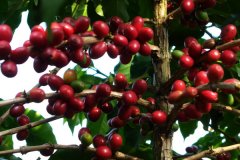
Ethiopian Yega Chevy Fine Coffee
The coffee-producing region of Ethiopia is divided into east and west parts by the East African Rift Valley, with lakes, volcanoes, lowlands, plateaus and woodlands interlaced, each evolving. Ethiopia has the most diverse coffee ecosystem in the world (forest coffee, semi-forest coffee, pastoral coffee and plantation coffee), which also preserves its rich Arabica genes. The eastern half is mostly plateaus, coffee beans.

Ethiopia-the birthplace of the famous Arabica coffee beans
Ethiopia is the birthplace of the famous Arabica coffee beans, and people have always maintained the tradition of harvesting wild coffee beans. The coffee garden at an altitude of more than 1500 meters has formed a unique coffee style after thousands of years of evolution and adaptation. Ethiopian coffee grown in the natural wild environment is called wilderness coffee, which retains the most primitive and natural taste of coffee beans.

Organic coffee from Giant Turtle Island Galapagos Coffee
The quality of Galapagos coffee is very good, and it is mainly exported to Scandinavia and other Nordic countries, so our people know little about it. As coffee is consumed by people all over the world, the world coffee industry is also moving towards a mass production model. Small-scale planting models like the Galapagos actually limit its development. If the scale is not expanded, it is likely to end up with no profit.

Fragrant coffee flavor description of Hassanda Coffee Garden in Ecuador
The coffee beans produced in Ecuador's Galapagos Islands are organic coffee beans, thanks to the unique ecological environment such as volcanic soil and microclimate, coupled with the fact that they do not use any chemical fertilizers or pesticides, they are recognized as natural green boutique coffee. this naturally grown coffee has a mild taste with a hint of flowers and fruit and caramel. It is understood that the Galapagos Islands are far from Eritrea.

What's the difference between a coffee latte and a cappuccino? Is it foam? Can Cabo pull flowers?
Professional coffee knowledge exchange more coffee bean information please pay attention to the coffee workshop (Wechat official account cafe_style) Coffee flower at that time, most of the attention is the presentation of patterns, but after a long period of development and evolution, coffee pull is not only visually particular, in the milk taste and integration of ways and skills have been constantly improved, and then in the overall taste

Santa Cruz Manor Coffee Manor Variety Flavor and Taste characteristics introduction of Fine Coffee beans
Ecuadorian coffee exports fell for the third year in a row. In recent years, the Latin American coffee industry has been plagued by coffee leaf rust (CoffeeRoya), and Ecuador has not been spared. Since 2012, coffee bean exports have lost a total of US $20 million, with exports of US $28.8 million, US $14.8 million and US $9.7 million respectively in the first five months of the past three years, with an annual decline of between 30 and 40 per cent.
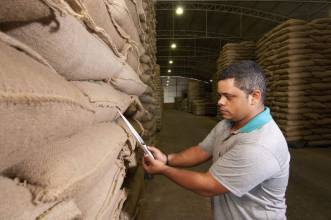
Three treatments of water washing, sun washing and semi-washing in Limu coffee producing area of Ethiopia
The coffee-producing region of Ethiopia is divided into east and west parts by the East African Rift Valley, with lakes, volcanoes, lowlands, plateaus and woodlands interlaced, each evolving. Ethiopia has the most diverse coffee ecosystem in the world (forest coffee, semi-forest coffee, pastoral coffee and plantation coffee), which also preserves its rich Arabica genes. The eastern half is mostly plateaus, coffee beans.

The Australian media voted for the seven strangest coffees, and Asia has five.
Professional baristas Please follow the Coffee Workshop (official Wechat account cafe_style) Coffee spread by sea from Africa to Europe during the geographical discovery of the 15th century. Until now, the culture of drinking coffee has spread around the world, resulting in the evolution of some localized coffee flavors. Australian news media The Courier Mail sorted out the 7 strangest things in the world.

The appeal of coffee is the perfect blend of caffeine, aroma and flavor
Researchers have sequenced coffee's genome, revealing the evolution of caffeine in the plant and providing insights into the popular drink's flavor and aroma. The genome sequence also gave scientists a tool to quickly locate specific genes on specific coffee chromosomes, a tool that could help them improve coffee breeding and accelerate the development of new coffee products.

Introduction of Ecuadorian coffee beans in Galapagos coffee flavor manor area
The quality of Galapagos coffee is very good, and it is mainly exported to Scandinavia and other Nordic countries, so our people know little about it. As coffee is consumed by people all over the world, the world coffee industry is also moving towards a mass production model. Small-scale planting models like the Galapagos actually limit its development. If the scale is not expanded, it is likely to end up with no profit.
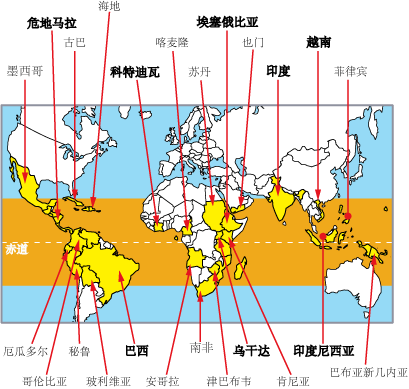
Ethiopian coffee producing areas Ethiopian coffee producing areas are Hilda Moharal and Yega Xuefei.
Ethiopia's coffee-producing areas are divided into east and west parts by the Great Rift Valley. Lakes, volcanoes, lowlands, plateaus and woodlands alternate and evolve independently. Ethiopia has the most diverse coffee ecosystem in the world (forest coffee, semi-forest coffee, pastoral coffee and plantation coffee), which also allows it to preserve its rich Arabica genes. The eastern half is mostly plateau, coffee beans

What is Ethiopian heirloom coffee? Introduction of native coffee variety heirlooms in Ethiopia
Professional coffee knowledge exchange more information on coffee beans Please follow the coffee workshop (Wechat official account cafe_style) the birthplace of Ethiopia's Arabica coffee beans, where people still maintain the tradition of harvesting wild coffee beans. The coffee garden with an elevation of more than 1500 meters has formed a unique coffee style after thousands of years of evolution and adaptation. Born in a natural wild environment

This cafe makes baristas more professional.
In some cafes, do baristas not only make coffee, but also occasionally act as cashiers or waiters? Baristas used to be a profession, but with the evolution of market demand, baristas have to deal with more and more things. Cuppachoice Cafe, located in oxcart water, is committed to sharing coffee culture and improving the professional standard of baristas in our country. Located

Fresh and bright taste Ethiopian coffee plantation flavor Taste characteristics Variety introduction
Ethiopia is the birthplace of the famous Arabica coffee beans, and people have maintained the tradition of harvesting wild coffee beans. The coffee garden with an altitude of more than 1500 meters has formed a unique coffee terroir after more than a thousand years of evolution and adaptation. Ethiopian coffee grown in the natural wild environment is called wilderness coffee and retains the most primitive coffee beans.

Introduction to the characteristics of Ecuadorian Coffee Flavor description and Grinding degree treatment
The Arabian Coffee Tree was first introduced to Ecuador (Ecuador) in 1952 and its coffee is of good quality, especially the coffee harvested in early June. Ecuadorian coffee beans can be divided into two varieties: Galapagos and Gigante, both of which have the characteristics of large granules and heavy weight. Ecuadorian coffee can be divided into first class (No.1) and super excellent (ExtraSuperior) according to its quality.

The knowledge of coffee flower drawing
At that time, most of the coffee flowers paid attention to the presentation of patterns, but after a long period of development and evolution, coffee flowers were not only visually particular, but also the ways and techniques of milk taste and integration have been constantly improved. and then in the overall taste of the presentation, to achieve the so-called color, aroma, taste state.

What is the Italian style of the three waves of coffee in the world
The world's three major waves of coffee evolution three waves of coffee what is the wave of Italian coffee, can be said to be a revolution. It is precisely because the market is now filled with a large number of products that fail to restore the quality of coffee, confusing the public's correct understanding of coffee, leading to the emergence of a group of advocates who really love high-quality coffee. They insist on providing fine coffee and spread authentic coffee culture.

The flavor and taste of Ecuadorian coffee with floral and caramel flavors introduce the brand of Hassan in the manor area.
According to Ms. Malena, Consul General of the Consulate General of Ecuador in Guangzhou, Ecuador is located in South America, and the equatorial line runs through the country, so it is also known as the country of the equator. its superior geographical location, fertile soil and special climatic conditions create a superior natural environment for coffee bean cultivation. The coffee beans produced in the Galapagos Islands of Ecuador are organic coffee beans, which benefits from this.